
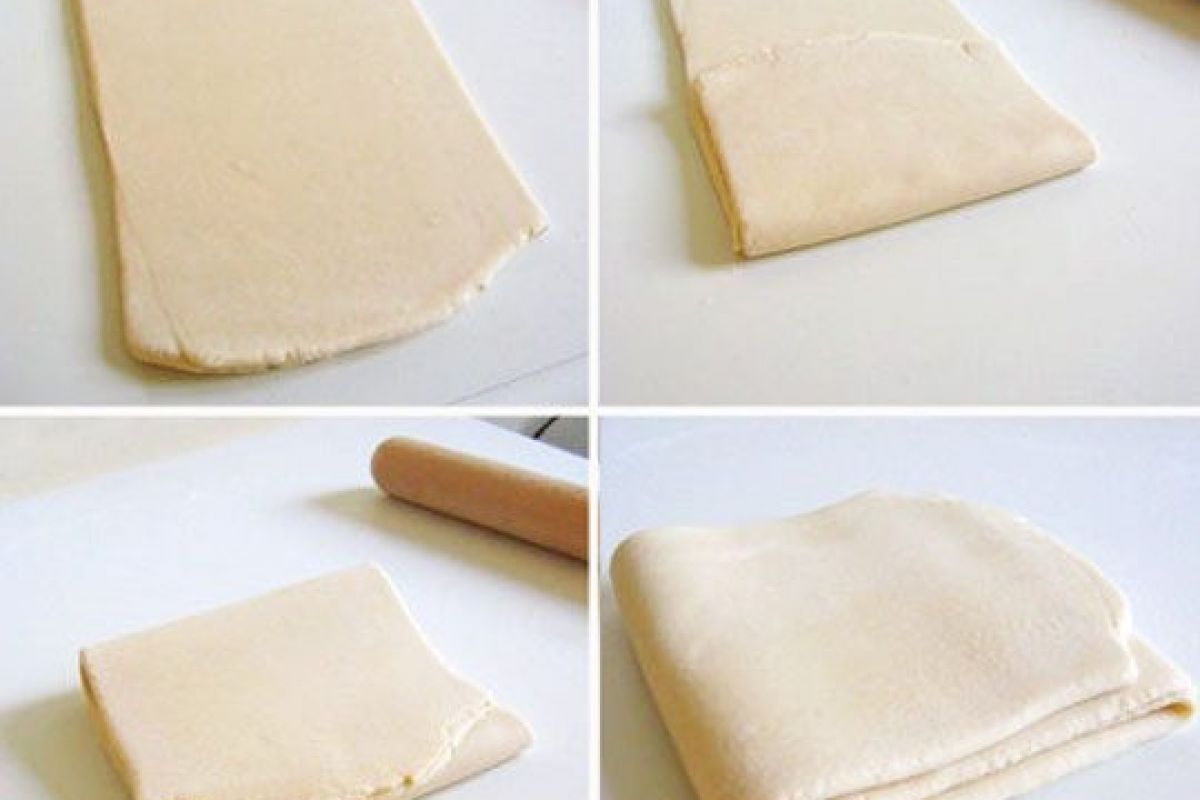
Fed up with industrial, processed puff pastry sheets? Making your homemade puff pastry requires a bit of practice, but it isn’t so difficult. Follow these simple steps to have your puff pastry dough ready for making crunchy appetizers or delicious tarts!

Ingredient list for the puff pastry dough Recipe
For approx. 1lb (500g) of puff pastry:
- 1/2 lb (250g) all-purpose flour
- 1 teaspoon (5g) salt
- 1/2 cup (125ml) of cold water
- 7 ounces (200g) butter
How to Make the Puff Pastry
First: make some space on your countertop. This is labor-intensive work, and you don’t want a cluttered area and to bump into everything, especially when rolling the dough.
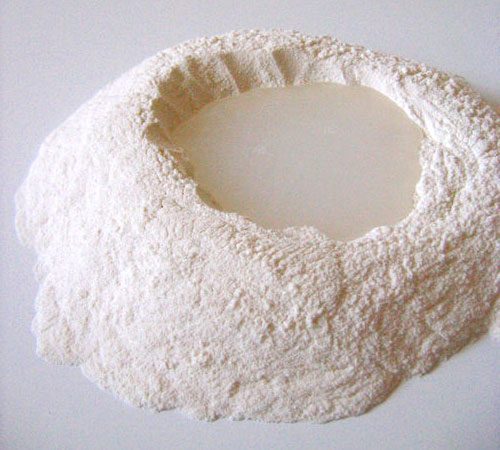 Photo credit: © Eatwell101.com
1. Start by making the dough. Sift the flour over your work surface and make a well in the middle. Pour in the salt and water. Mix with your fingertips, gradually incorporating the flour.
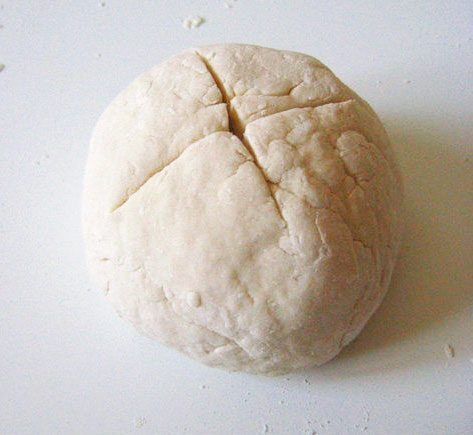 Photo credit: © Eatwell101.com
2. When the mixture has slightly thickened and is no longer in “danger” of collapsing, quickly incorporate the remaining flour, adding a little water if necessary. Knead to form a ball, then make a cross cut of 1 inch (2cm) deep — it helps to break the elasticity of the dough. Wrap with plastic and let rest for 30 minutes in the fridge.
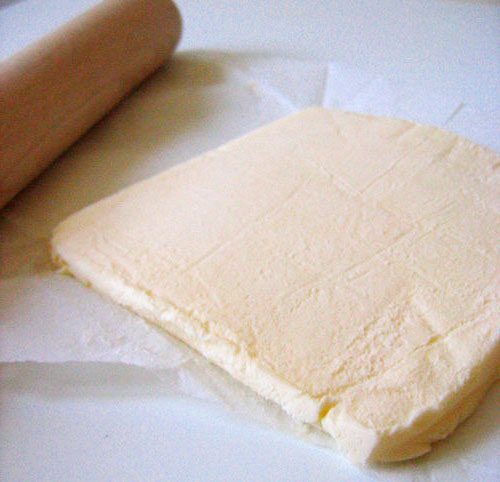 Photo credit: © Eatwell101.com
3. Meanwhile, place the butter between two sheets of greaseproof paper and flatten it by hand (I admit it’s a bit tedious!) or use a rolling pin. You must completely flatten the butter and shape it into a square about 1/2 inch (1 1/2 cm) thick.
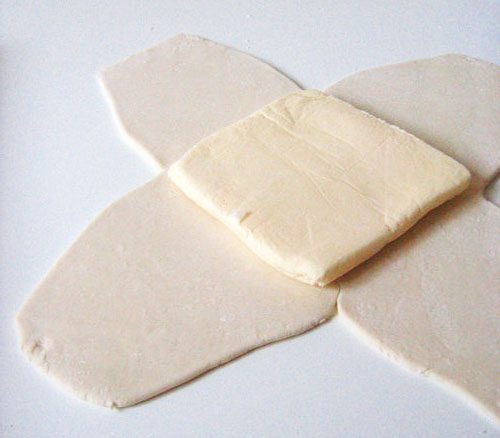 Photo credit: © Eatwell101.com
4. Take the dough out of the refrigerator. Spread it like a cross — see the picture —, keeping the center slightly thicker than the branches. Then place the butter square in the center. The key is to enclose the butter completely
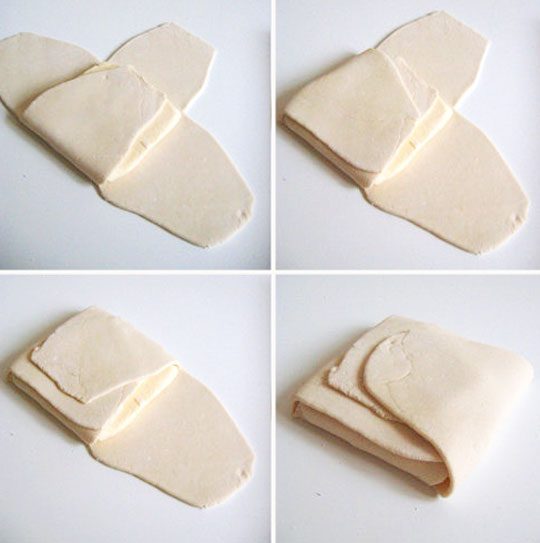 Photo credit: © Eatwell101.com
5. Then fold each edge of the cross to cover the butter.
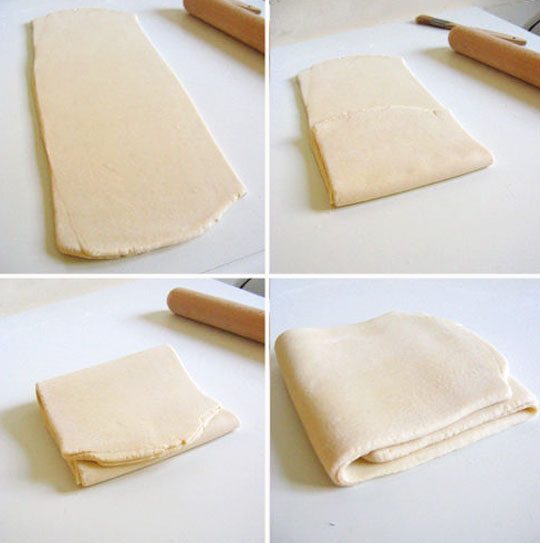 Photo credit: © Eatwell101.com
6. Flatten the whole thing into a rectangle 3 times longer than wide. Flour the dough to avoid it sticking to the rolling pin. Once the rectangle is complete, remove excess flour with a brush, and then fold into three. Rotate a quarter turn and repeat the process: make a rectangle and fold it into 3. Wrap with plastic and refrigerate for 20 minutes.
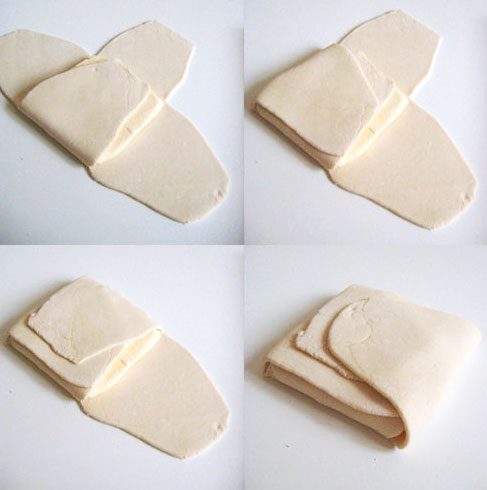 Photo credit: © Eatwell101.com
7. After 20 minutes, repeat the same process for the third and fourth time, rotating 1 quarter each time, and then let cool again for 20 minutes. Then give the fifth and the sixth round (always the same) just before using it for your tarts, appetizers, etc.
If the dough is prepared in advance (for the next day, for example), it is best to stop at the fourth rotation and make the last two just before use. Same for freezing the dough—it works fine—stop at the fourth operation, pull the dough the day before use, thaw it slowly in the fridge, and give the last two folding rounds at the last moment. Here you are!
Recipes Using Puff Pastry
Now that you have mastered the basics of making puff pastry, you can use it in your recipes. Check this selection of puff pastry appetizers, puff pastry desserts, and more, perfect for any occasion. The baking times and temperatures will vary slightly depending on the recipe, but you can check our tips below; they will apply to most of these puff pastry recipes.
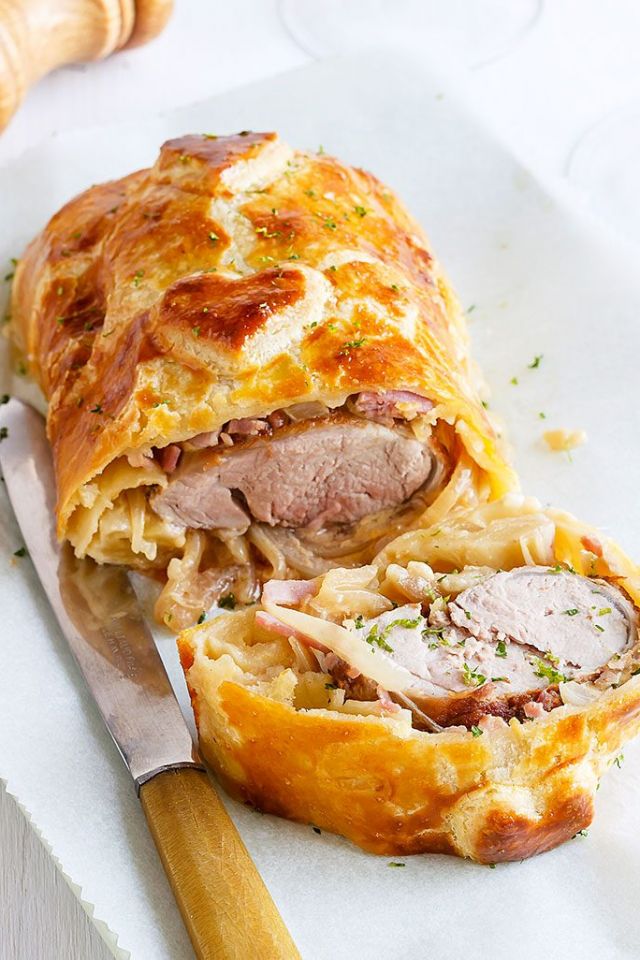
Puff Pastry Wrapped Pork Tenderloin
Pork tenderloin puff pastry is the perfect main dish for a festive dinner with family and friends.
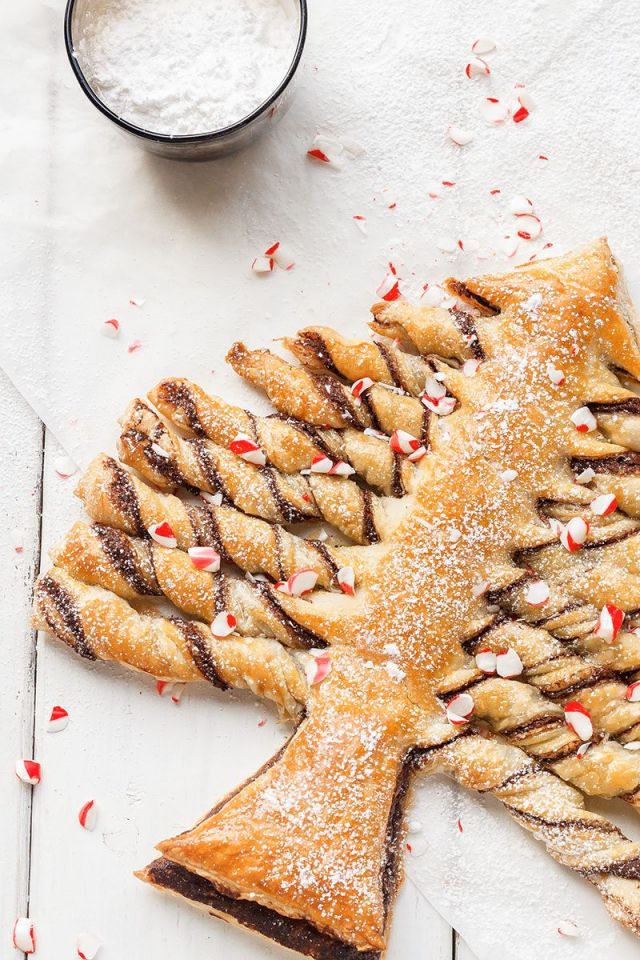
Nutella Christmas Tree Puff Pastry
This Nutella Christmas Tree is crunchy and super indulgent – A show-stopping treat ideal for your Christmas parties.

Puff Pastry Pigs in a Blanket
Pigs in a blanket with a flavorful sausage filling wrapped in crisp puff pastry make the perfect bite-size appetizers for the holidays! Customize these easy sausage rolls with herbs, spices, and cheese - everyone will rave about them!

Smoked Salmon Puff Pastry Bites
These little salmon puff appetizers are great with some bubbly!
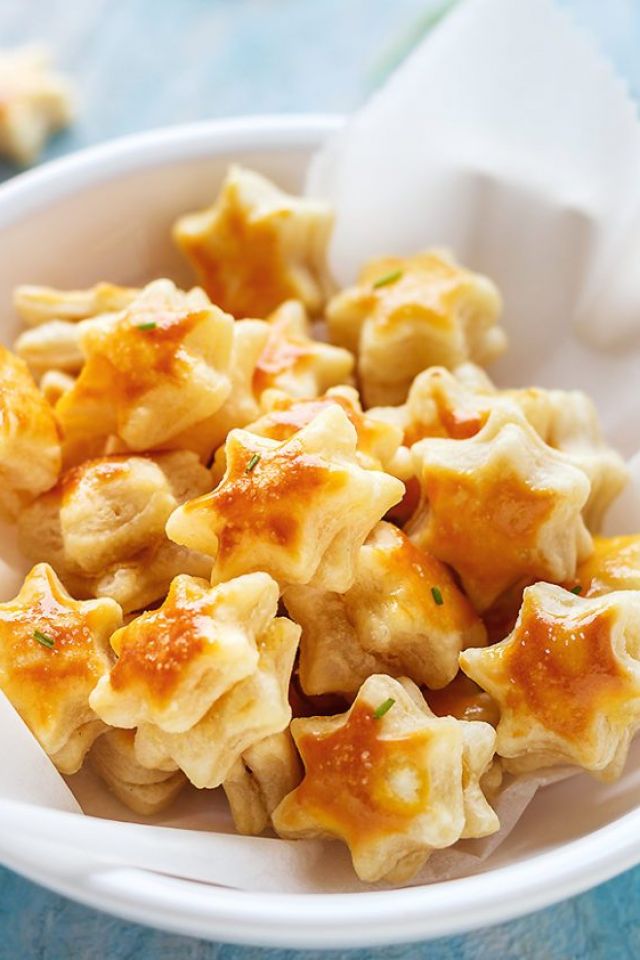
Parmesan Puff Pastry Stars Recipe
A super easy puff pastry appetizer recipe for a holiday party.


Spinach Dip Puff Bites
These spinach dip puff appetizers made into a muffin tin are the perfect party appetizer for the holidays
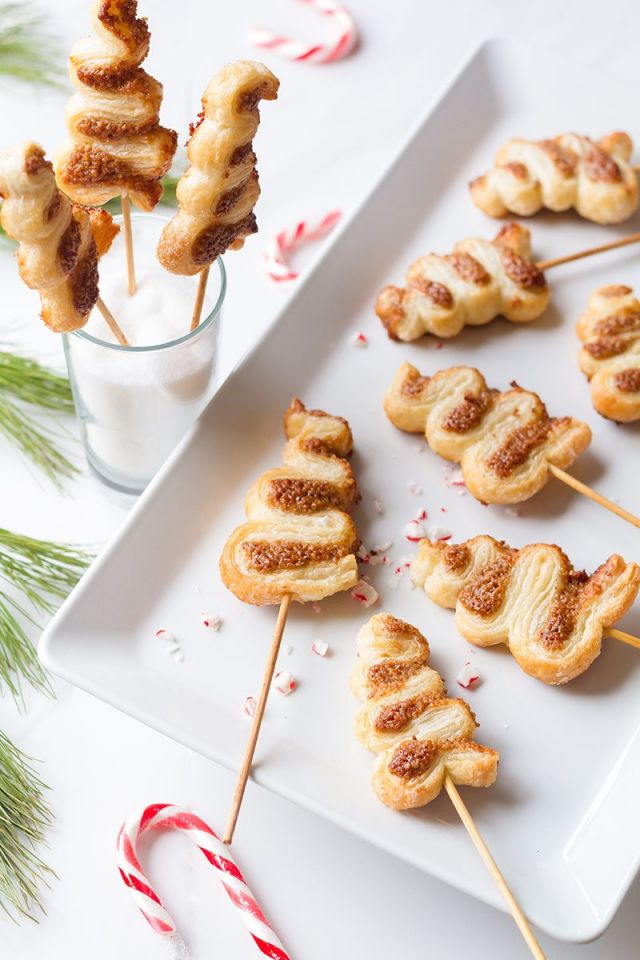

Ham Cheese & Spinach Puffs
Wow your guests for your next brunch at home with these crisp and melty Ham Cheese & Spinach Puffs.
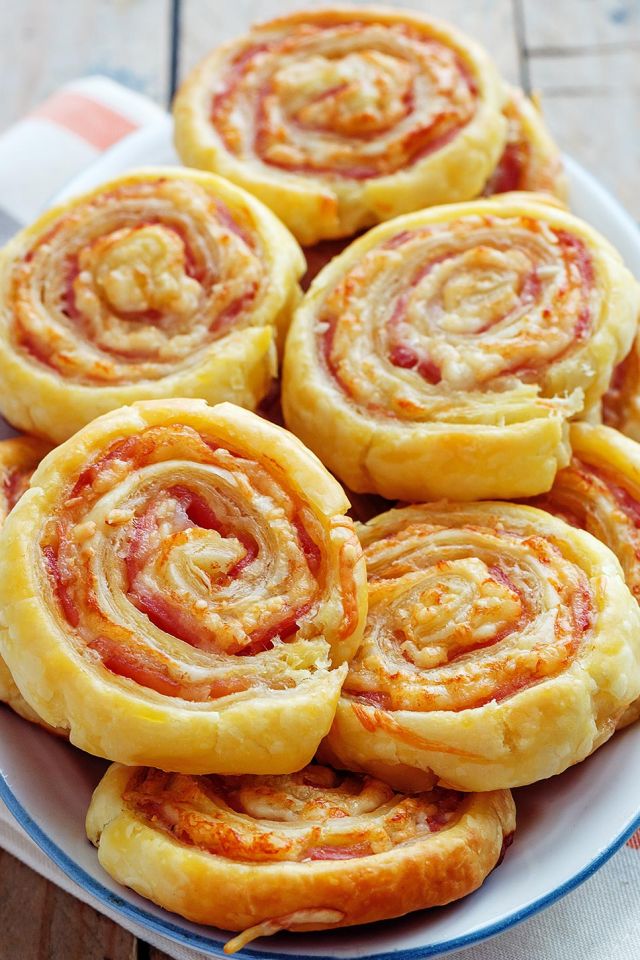
Bacon Puff Pinwheels
These bacon puff pastry pinwheels are sure to be a hit at your next party!
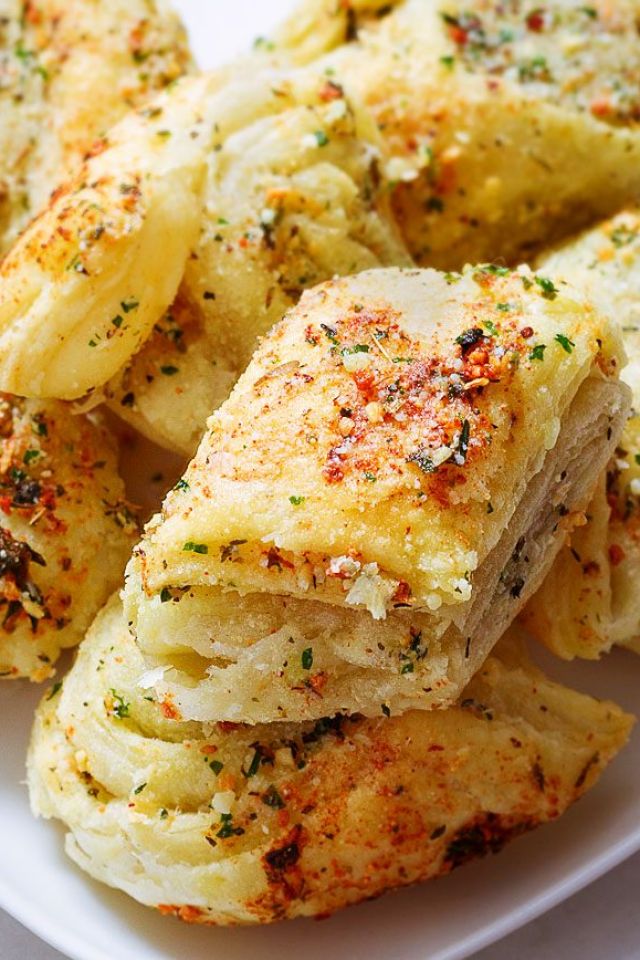
How to Bake Puff Pastry
Baking puff pastry requires a relatively high temperature, which allows it to “puff” due to differences in pressure between the layers of butter and dough. Usually around 400ºF (200ºC) – but this can vary depending on the recipe. Some recipes with a lot of filling can require 450ºF (220ºC) or higher, then lower the temp after the dough is puffed to allow the rest of the cooking.
A temperature that is too low risks the butter melting between the layers and running off the baking sheet before the dough can rise. That’s why we recommend waiting for your oven to get to the right temperature, and then waiting a couple of minutes more so you’re sure the temperature is stabilized. Do not open the oven’s door while baking: when rising, the dough is sensitive to heat and humidity changes, so it could collapse before it is fully baked and crispy.
Follow These Tips for Perfect Puff Pastry Every Time
- Stay chill: Work on a cold and smooth surface: marble, stainless steel… This ensures the dough and butter stay at a relatively cool temperature while you’re working with it. Butter can soften very fast and “leak” through the dough. Also, use cold water, even ice-water if you can.
- Make a good quantity: Make at least 1 lb (450g) of puff pastry dough. You’d better divide and refrigerate for other recipes than not having enough, given the tedious process ;)
- Consistency is key: The flour-and-water mixture and the butter must have the same consistency for even spreading and to avoid tearing the overlapping layers. When working the dough, use as little flour as possible and eliminate excess at every turn. If you find the dough is too stiff or elastic, let it rest a little bit on the counter. If it is too soft, refrigerate it for a while.
- When making forms and shapes, cut the dough with a sharp knife to avoid flattening the edges. A nice, clean cut promotes a better puffing in the oven.
- Go lightly with brushing with eggs for decoration. The egg yolk will create a layer that can prevent the “breathing” and rising of the puff pastry when baking.
FAQ
Make sure to use cold water when mixing puff pastry dough. The colder you keep the dough, the more the butter will stay solid, which means you'll nice and clean layers of butter and a taller, flakier rise in the oven.
All purpose flour is perfectly fine for starting. You can then experiment with a 50-50 blend of all-purpose and bread flour, if you like. Bread flour tends to add more structure and helps keeping the layered dough together (this is due to the higher protein content in bread flour).
Most Popular Recipes
Recipes Eatwell101 readers come back to again and again.

How To Make Puff Pastry Dough From Scratch
Learn how to make a perfect puff pastry dough like a pro!
Ingredients
- 1/2 lb (250g) all-purpose flour
- 1 teaspoon (5g) salt
- 1/2 cup (125ml) of cold water
- 7 ounces (200g) butter
Instructions
- Start by making the dough. Sift the flour over your work surface and make a well in the middle. Pour in the salt and water. Mix with your fingertips, gradually incorporating the flour.
- When the mixture has slightly thickened and is no longer in danger of sinking, quickly incorporate the remaining flour, adding a little water if necessary. Knead to form a ball, then make a cross cut of 1 inch (2cm) deep — it helps to break the elasticity of the dough. Wrap with plastic and let rest for 30 minutes in the fridge.
- Meanwhile, place the butter between two sheets of greaseproof paper and flatten it by hand (I admit it’s a bit tedious!) or use a rolling pin. You must completely flatten the butter and shape it into a square about 1cm thick.
- Take the dough out of the refrigerator. Spread it like a cross — see the picture —, keeping the center slightly thicker than the branches. Then place the butter square in the center. The key is to be able to enclose the butter well.
- Then fold each edge of the cross to cover the butter.
- Flatten the whole thing into a rectangle 3 times longer than wide. Flour the dough to avoid it sticking to the rolling pin. Once the rectangle is complete, remove excess flour with a brush, and then fold into three. Rotate a quarter turn and repeat the process: make a rectangle and fold it into 3. Wrap with plastic and refrigerate for 20 minutes.
- After 20 minutes, repeat the same process for the third and fourth time, rotating 1 quarter each time, and then let cool again for 20 minutes. Then give the fifth and the sixth round (always the same) just before using it for your tarts, appetizers, etc.
- If the dough is prepared in advance (for the next day, for example), it is best to stop at the fourth rotation and make the last two just before use. Same for freezing the dough—it works fine—stop at the fourth operation, pull the dough the day before use, thaw it slowly in the fridge, and give the last two folding rounds at the last moment. Here you are!
Nutrition
Nutrition information for this recipe.
Reviews
See what readers thought — or share how it turned out for you.
How did it turn out?
[…] 1/2 pound (250g) pure-butter puff pastry (homemade puff pastry recipe here) […]
[…] Flatten the dough, and fold again in 3, perpendicularly from the first folding (follow the puff pastry tutorial here). Refrigerate for 15 min. Repeat this process 3 times more, always rotating 90° at each step (this […]
[…] 1 puff pastry (homemade puff pastry recipe here) […]
[…] sheet of homemade or store-bought puff […]
[…] How To Make Puff Pastry Dough […]